Befriending the Body
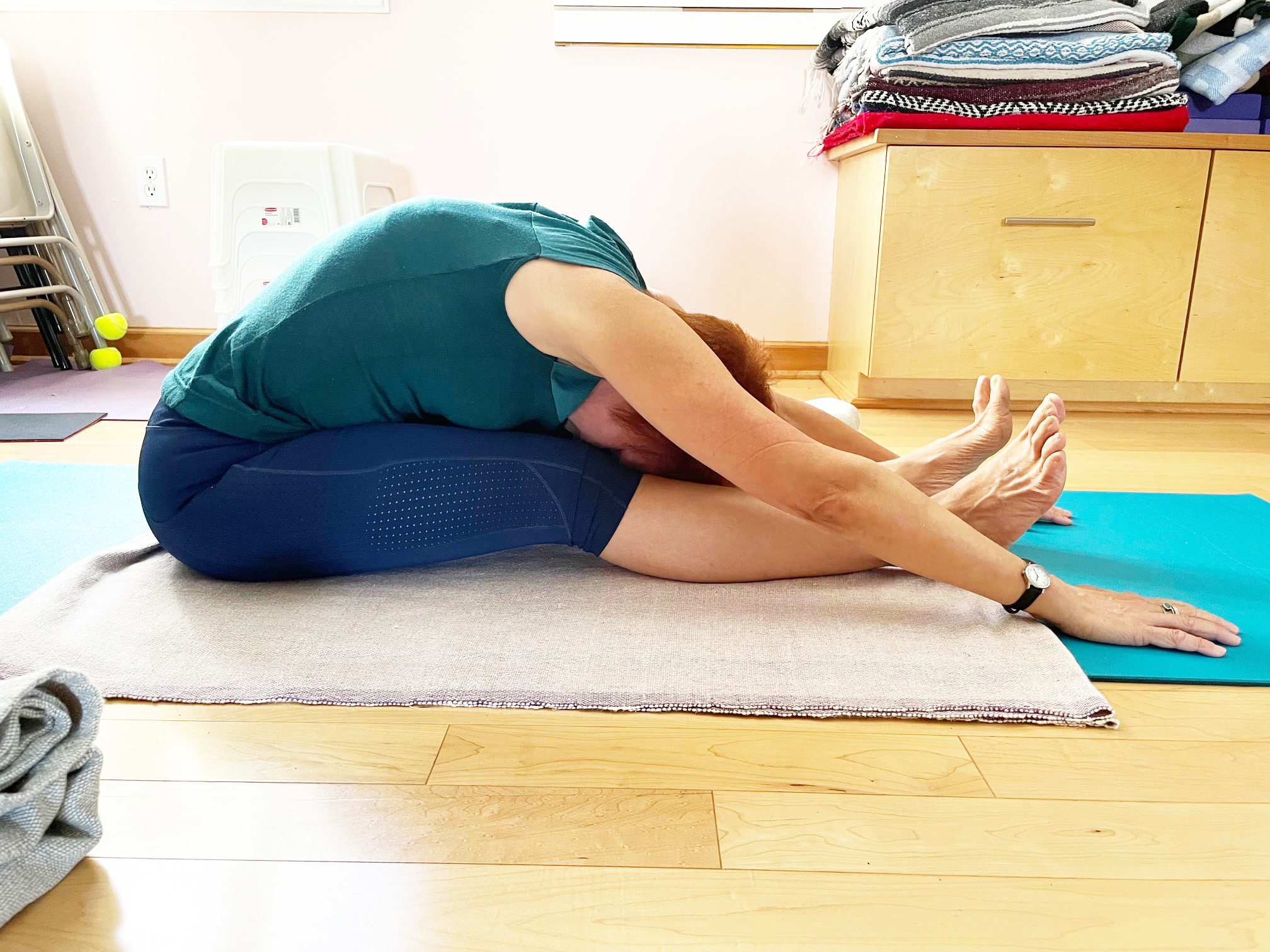
How I found my way to Iyengar Yoga.
I came to Iyengar yoga on the heels of a frightening and unexpected medical diagnosis that made me question my reliance on intense and frequent cardiovascular workouts. I had to consider other ways to manage my energy and maintain my emotional equilibrium. Through the recommendations of trusted friends, I found my way to my first Iyengar class, held in a local community center.
My fellow students had levels of capacity that ran the gamut: perfectly healthy, seeking more tone and flexibility; dedicated athletes seeking help rehabilitating an array of injuries; and me, dealing with a recently diagnosed degenerative neurological condition. The teacher managed the variety of physical challenges with tact and skill, focusing on adaptations that ensured that everyone present was 'doing the practice'.
A Slow Burn
Fear and desperation brought me into yoga; I didn't know how I would manage my life if I couldn't move fast for long periods. Without being aware of it, I had developed an antagonistic relationship to my body, one characterized by disappointment and distrust. My dedication to yoga was a slow burn: the benefits of the practice for my body and nervous system quickly became apparent. Initially, I approached yoga as a means to maintain (as much as possible) the other activities in my life. Gradually, I realized that yoga had become the centrepiece of my active life.
Finding the Breath
I found a yoga teacher who had a dedicated Iyengar yoga studio. I enrolled in my first multi-day workshop. A year later, I participated in a 10 day retreat where we did daily Pranayam. I came to understand that a core appeal of the aggressive cardio work I had been doing was to experience the breath. Pranayam offered a different way into the breath, one that placed primary emphasis on how the breath integrated body, mind, spirit. I began taking multiple weekly classes, including a dedicated Pranayam practice each week. I continued to take yoga workshops when I could and began a daily independent practice.
Decades Later
Then, decades into my yoga relationship, I realized several things. First, my medical condition was not progressing; a surprise to me and my neurologist. Second, I noticed that I had come into a different relationship with my body. I was no longer frightened by the spectre of losing physical capacity: I had seen a wide range of students with different physical needs all able to practice Iyengar yoga with discipline, skill, and persistence. I knew that yoga could be my companion no matter what changes my physical body encountered. Third, I began to experience the mind/body/spirit connection of Iyengar yoga even off my mat.
From Opponent to Ally
Building a consistent home practice, exploring the asana each day, seeing the variations in my practice day-to-day without judgement or concerns about performance brought me into a collaboration with my body. The precision and focus of the Iyengar approach unleashed my curiosity: my body and I became allies in exploring asana and pranayam. I found that approaching my physical self with compassion, open-mindedness, and observation without judgement actually produced a more balanced and courageous approach to all kinds of physical activity.
Why I Teach
Ultimately, I became a certified yoga teacher in part because I wanted to facilitate other people's effort to develop a friendlier relationship to their bodies. Our bodies are one of the most enduring relationships of our lives; my goal as a yoga teacher is to show that treating our bodies as our best friend can make that relationship flourish.
Lealle is a certified Iyengar yoga teacher. She lives on the ancestral territory of the Coast Salish peoples in beautiful Vancouver Canada